
2027 Chevrolet Corvette Grand Sport: A Bold Reimagining for a New Era of Performance

As an industry veteran with a decade of experience navigating the intricate landscape of automotive innovation, witnessing the unveiling of the 2027 Chevrolet Corvette Grand Sport at Sebring was more than just a preview; it was a powerful affirmation of heritage meeting future-forward engineering. The iconic racetrack, steeped in motorsport history, provided a fitting stage for Chevrolet to subtly, yet decisively, introduce its latest iteration of the Grand Sport, a nameplate synonymous with enhanced performance and a distinct visual identity. This isn’t merely an update; it’s a significant evolution, hinting at bolder design, more potent powertrains, and potentially, the electrification of a legendary American sports car.
The 74th running of the 12 Hours of Sebring served as more than just a prestigious endurance race; it was a deliberate nod to the 60th anniversary of a pivotal moment in Corvette’s racing legacy. Sixty years ago, Roger Penske and Jim Hall piloted a specially constructed, lightweight C2 Corvette in the Prototype GT class, a vehicle meticulously developed by the legendary Zora Arkus Duntov. To commemorate this milestone, Chevrolet offered an exclusive glimpse of the 2027 Corvette Grand Sport, preceding its official debut. This strategic positioning wasn’t by accident; it connected the past, present, and future of Corvette performance, underscoring the enduring appeal and competitive spirit of this American icon. The visibility within the IMSA WeatherTech SportsCar Championship paddock further amplifies the connection to elite motorsport, reinforcing the Grand Sport’s performance credentials.
A Parade of Legends: Honoring the Grand Sport Legacy
The “rolling first look” of the C8 Grand Sport was orchestrated as a captivating parade, featuring a distinguished assembly of its predecessors. The presence of the original C2 Penske-helmed Grand Sport was particularly poignant. Originally envisioned with a production run of 125 units for homologation purposes, GM’s leadership ultimately curtailed the program after only five were built – three coupes and two roadsters. These rare machines were powered by a specialized 377-cubic-inch iteration of the venerable Chevrolet small-block V8, reportedly producing a formidable 550 horsepower when equipped with Weber carburetors. Penske himself recalled, “I have great memories of driving the Grand Sport, as we were fortunate to earn three wins across five races in the car during the 1963 and 1964 seasons.” This sentiment speaks volumes about the raw capability and competitive spirit instilled in those early Grand Sports.
Joining this historical cavalcade was the 1996 Corvette Grand Sport. A limited run of 1,000 special editions, this model was distinguished by its top-tier LT4 engine, a 5.7-liter small block that delivered 330 horsepower and 340 lb-ft of torque. Its livery paid homage to the C2’s iconic “Admiral Blue” paint scheme, accented with distinctive white stripes and a vibrant red interior, a clear visual homage to its ancestral roots.
The C6 Grand Sport made its appearance, also sporting the classic Admiral Blue and white stripe combination, complete with the signature red fender hash marks that have become a hallmark of the Grand Sport designation. This iteration masterfully integrated the wider bodywork of the Z06 with a meticulously hand-built LS3 6.2-liter V8, showcasing a blend of aggressive styling and robust performance. Completing the procession was the C7 Corvette Grand Sport, introduced in 2017. This model ingeniously combined the aggressive Z06 wide-body styling with the Z51’s proven dry-sump LT1 powertrain, generating a healthy 460 horsepower. The visual continuity across these generations, all united by the Admiral Blue and white stripe motif, served as a powerful testament to the enduring design ethos and performance aspirations of the Grand Sport lineage. This deliberate showcasing of past models, particularly the performance-oriented variants, directly appeals to enthusiasts and collectors of high-performance American sports cars.
The C8 Grand Sport: A Leap Forward in Design and Engineering
While a full technical deep dive into the C8 Corvette Grand Sport’s specifications was imminent, its visual presence at Sebring offered compelling insights. It proudly wears the aggressive, wider body of the Z06 and E-Ray models, a design choice that immediately signals enhanced aerodynamic capabilities and a more planted stance. The return of the distinctive red fender hash marks, now strategically placed on the rear fenders – positioned as close as possible to the engine, a nod to the traditional placement – adds a bold, performance-oriented flourish. The prominent center-exit exhaust system further emphasizes its performance focus, promising an aggressive auditory experience to match its visual impact.
Whispers from enthusiast forums and purported document leaks suggest that, much like its progenitor, the C8 Grand Sport may receive a unique powertrain. Speculation points to a new 6.7-liter Gen-6 small-block engine, with rumors hinting at an output exceeding 535 horsepower. This dedicated engine development signifies Chevrolet’s commitment to differentiating the Grand Sport beyond mere visual enhancements, offering a distinct driving experience. Furthermore, some of the more forward-thinking rumors even propose the existence of a “Grand Sport X” variant, which could incorporate electric front-wheel drive. This potential electrification would represent a monumental shift for the Corvette, aligning it with the broader automotive industry’s push towards hybrid and electric powertrains, and offering an unprecedented surge in performance and torque. Such advancements are crucial for maintaining relevance in the evolving landscape of high-performance vehicles, appealing to buyers seeking cutting-edge technology and environmental consciousness alongside raw power. Exploring electric sports car performance and hybrid supercar technology are key trends that this evolution caters to.

The C8’s parts bin, it seems, has yielded a significantly more exciting array of options compared to its predecessors. This strategic utilization of proven performance components, adapted and enhanced for a new application, is a hallmark of efficient engineering and a testament to Chevrolet’s ability to leverage its existing performance architecture. The ongoing pursuit of Corvette performance upgrades and next-generation sports car technology is clearly evident in this approach. The anticipation for the full reveal is palpable, promising a detailed understanding of how these elements coalesce into a cohesive and exhilarating package. Discussions around performance automotive engineering and American muscle car evolution are central to understanding the significance of these developments.
Navigating the Competitive Landscape: The 2027 Grand Sport’s Market Position
In today’s hyper-competitive automotive market, particularly within the premium sports car segment, differentiation is paramount. The 2027 Corvette Grand Sport enters a fray that includes formidable contenders, each with their own strengths and loyal followings. The automotive industry is constantly pushing the boundaries of what’s possible, with brands like Porsche, Ferrari, and McLaren setting high benchmarks for performance, luxury, and technological innovation. To thrive, the Grand Sport must not only deliver on its promises of enhanced power and handling but also offer compelling value and a unique ownership experience.
The integration of wider bodywork, derived from the Z06 and E-Ray, immediately sets the Grand Sport apart visually, projecting an image of increased athleticism and presence on the road. This aggressive styling appeals to a demographic that values distinctiveness and a certain visual menace. Coupled with the potential for a bespoke engine – a departure from simply utilizing a higher-output version of a standard powerplant – the Grand Sport aims to carve out its own niche, offering a more exclusive and purpose-built experience. This strategy echoes successful approaches seen in other luxury and performance marques that offer distinct models within their lineups, each catering to specific enthusiast desires.
Furthermore, the potential for a hybrid or electrified variant, like the rumored Grand Sport X, positions Chevrolet at the forefront of technological advancement within the segment. While traditionalists may express reservations, the reality is that electrification is no longer a niche concept; it’s a driving force shaping the future of automotive performance. Buyers in this segment are increasingly aware of and interested in the benefits of electric powertrains, such as instant torque, improved acceleration, and the potential for enhanced fuel efficiency or extended electric-only range. For Chevrolet, embracing this trend with the Grand Sport is a calculated move to attract a new generation of buyers and maintain the Corvette’s relevance in a rapidly evolving market. This strategic direction taps into the growing interest in eco-friendly performance vehicles and sustainable automotive innovation.
The pricing strategy will also be a critical factor. While the Grand Sport has historically represented a step up in performance and exclusivity from the base Stingray, it has generally remained more accessible than the top-tier Z06 or ZR1 models. Maintaining this balance will be key to attracting a broad spectrum of performance enthusiasts. The market for high-performance sports car deals is always active, and Chevrolet’s ability to offer a compelling package at a competitive price point will significantly influence its sales success. Furthermore, the aftermarket and performance tuning for Corvettes are robust, and offering a platform that encourages further customization and enhancement could be a significant draw.
The strategic decision to unveil the Grand Sport at Sebring, within the context of the IMSA WeatherTech SportsCar Championship, speaks volumes about Chevrolet’s marketing approach. By associating the new model with elite motorsport, the brand reinforces its performance credentials and taps into the passion of racing enthusiasts. This linkage is crucial for building brand loyalty and establishing the Grand Sport as a true track-capable machine, not just a stylish streetcar. The Corvette racing heritage is a powerful asset, and leveraging it effectively is a testament to savvy marketing.
In essence, the 2027 Corvette Grand Sport appears poised to offer a compelling blend of heritage-inspired design, enhanced performance, and forward-looking technology. Its success will hinge on Chevrolet’s ability to execute on these promises, delivering a vehicle that resonates with existing Corvette loyalists while also attracting new enthusiasts eager for the latest in automotive innovation. The emphasis on a unique identity, potentially with powertrain differentiation and electrification, sets the stage for a significant chapter in the storied history of the American sports car. As we look towards the future of automotive performance, the evolution of icons like the Corvette Grand Sport provides a fascinating case study in adaptation and innovation. The discussion around future of sports cars and performance car market trends is directly informed by developments like these.
In the coming days, as Chevrolet officially lifts the veil on the 2027 Corvette Grand Sport, the automotive world will be watching closely. The promise of enhanced performance, distinctive styling, and potentially groundbreaking technological integration positions this new Grand Sport as a significant contender in the premium sports car arena. For enthusiasts seeking the pinnacle of American performance, the stage is set for a truly exciting new chapter.
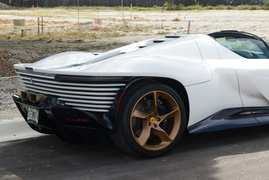
Ready to experience the evolution of American performance? Explore the latest Corvette models and discover the future of driving excellence. Contact your local Chevrolet dealer today to learn more and schedule your test drive.